If Your Life Feels Difficult
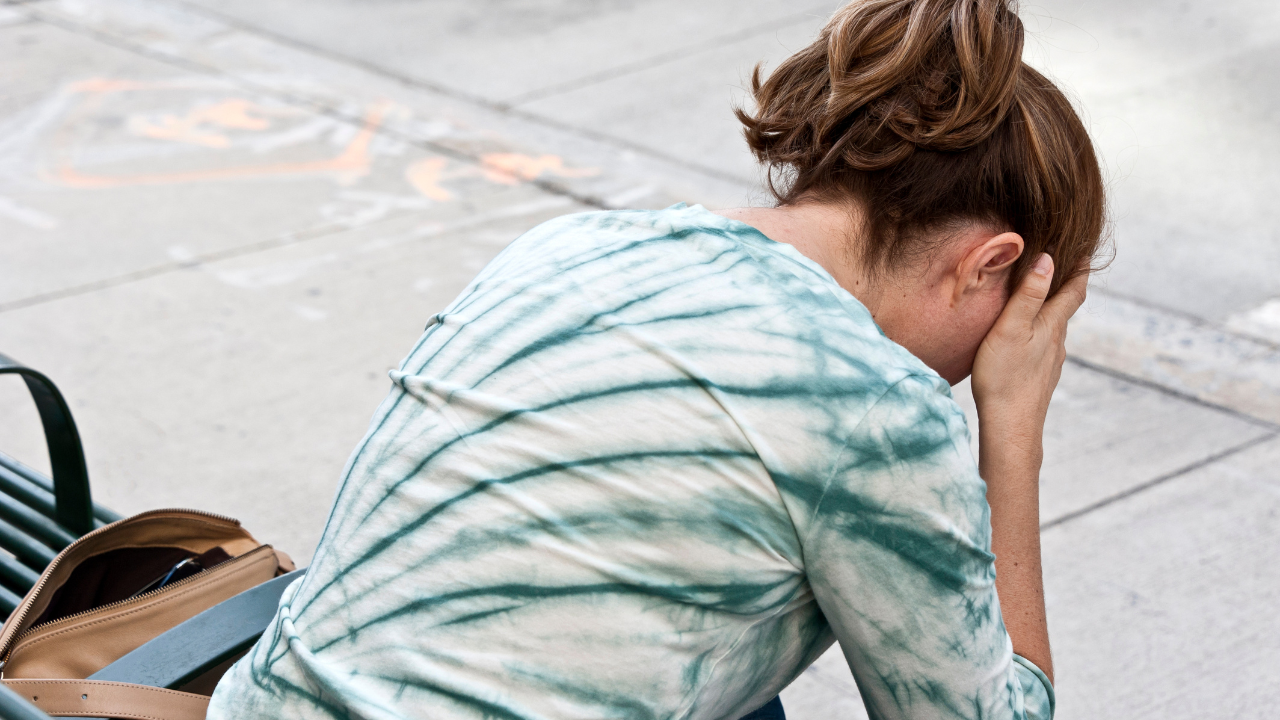
I know you’d agree that there are times when life feels difficult. Maybe you recently went through a time like that… And maybe you’re going through one right now.
When we’re going through a rough time like this, I’ve noticed that it might feel like things are going wrong and we’re not getting a break. At least, that’s what’s happening on the surface. Below the surface, what’s happening is that we’re having a hard time with the emotions that we’re feeling, and that’s what’s really making life seem and feel difficult.
So often, part of what makes life feel especially difficult is not only what’s happening externally, but also the overwhelm, fear, grief, shame, anxiety, or pain we’re carrying internally alongside it. And in that way, life is only difficult to the extent that you have difficulty with the emotions you feel. And if you’re like most people, you’re okay with the feel-good emotions you have (no problem, bring ‘em on!, right?) but when it comes to the ones that don't feel so good, you have no idea what to do about them and because they feel uncomfortable and unpleasant, you either ignore them or stifle them. After all, many of us were never really taught how to safely process, feel, express, or move through difficult emotions. And this is what creates difficulty in your life. It’s not so much the circumstances of your life, it’s not so much that your significant other left you or that your boss said what s/he said; it’s more so that all these experiences are bringing up emotions that you have no idea how to deal with.
Life is only difficult to the extent that you have difficulty with the emotions you feel.
While being with difficult emotions can sound simple in theory, many of us were never actually taught how to do it. One helpful place to begin is by slowing down enough to notice how emotions are showing up in your body.
So, once you’re aware of an emotion you’re feeling— whether you’re feeling angry, upset, frustrated, disappointed, or something else— take a moment and notice where this emotion is showing up in your body. Do you feel a tightness in your throat, a big pounding in your heart, tension in your head, or a stomachache, for example? Our emotions show up and speak to us through sensations in our body and once you notice how your anger, anxiety, sadness, grief, guilt, or shame is showing up in your body, just be with it. Be with it. Don’t ignore it. Don’t try to change it. Don’t push it away.
Be with it. Don’t ignore it. Don’t try to change it. Don’t push it away.
Bottling up your emotions inside only causes them to bubble up and explode later when you least expect it. When emotions are consistently ignored, suppressed, or pushed away, they often don’t disappear. Instead, they become much more likely to show up indirectly — through overwhelm, shutdown, irritability, anxiety, numbness, reactivity, or emotional exhaustion.
With this step of being with your emotions and their physical manifestations in your body without judging, criticizing, or pushing them away, you’ll be helping create a little more space, awareness, and self-connection around emotions that might otherwise feel overwhelming or consuming.
And, I just want to say again that being with difficult emotions is simple in theory, but often much harder in practice — especially if you learned early in life to suppress, avoid, intellectualize, or move quickly past what you felt.
Many of us did.
So if this feels difficult sometimes, it doesn’t mean you’re doing it wrong. It means you’re human.
And often, healing begins not by getting rid of difficult emotions, but by learning how to stay connected to yourself while they’re here. That’s one of the main reasons I created Happy from the Inside Out®, which offers a process to understand your inner world, build a safer relationship with your emotions, and learn how to move through life with more self-connection and compassion.
And if this reflection touches on something more personal in your life, this is also the kind of work I support people with one-on-one. It’s a space to slow down, understand what’s happening beneath the surface, and have support in navigating the emotions, patterns, and experiences that feel the hardest to carry alone.
Note: This article was originally written several years ago and has been lightly updated to reflect my current work and offerings.