You Think Your Most Important Asset Is Time… But It Might Be What You Carry Into It
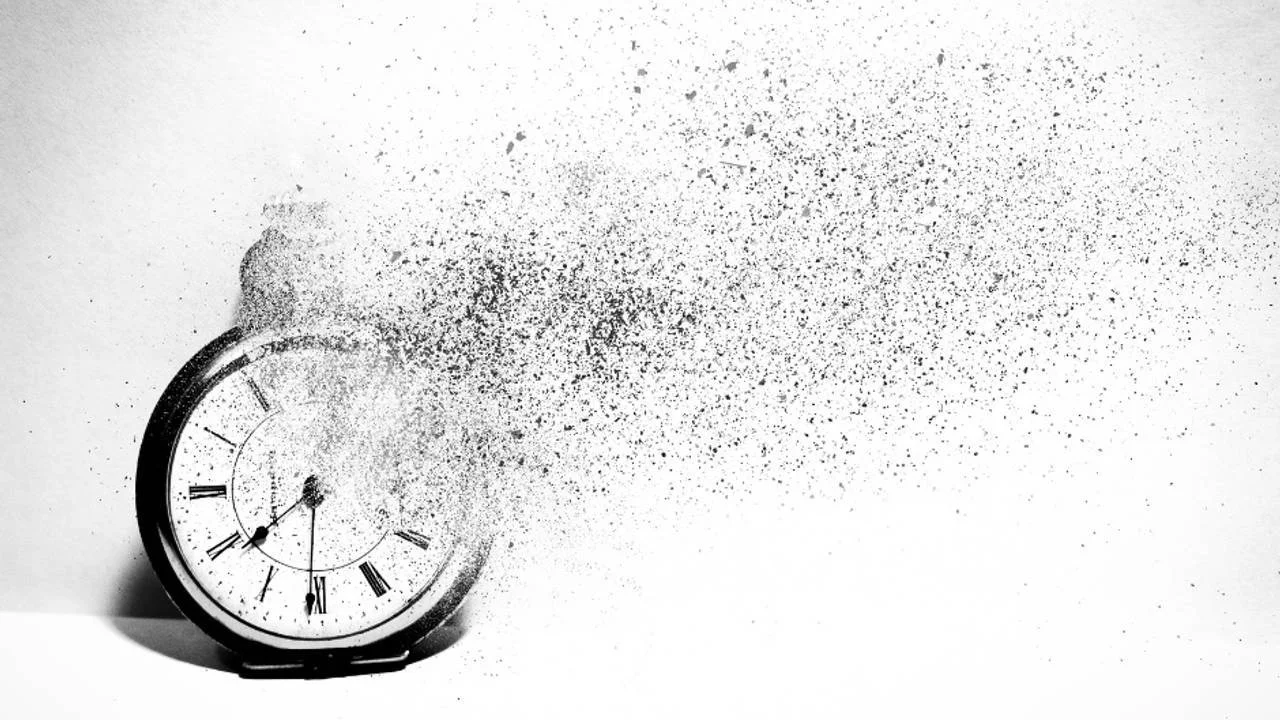
People often say that time is our most valuable asset. Others emphasize mindset. And while both matter, I’ve come to believe that one of the most important things we can develop is a deeper understanding of ourselves — including the experiences, conditioning, emotional wounds, protective patterns, and relational dynamics that continue shaping how we move through life in the present.
Because often, when we focus only on changing our thoughts, behaviors, habits, or circumstances without understanding what’s happening beneath the surface, we end up fighting symptoms rather than tending to the deeper roots underneath them.
For many years, I thought happiness and healing were mostly about changing thoughts, becoming more positive, pushing forward, improving myself, or trying harder to become the person I wanted to be. But over time, I began realizing that so many of the struggles people carry in the present are connected to emotional experiences, beliefs, attachment patterns, coping responses, and nervous system patterns that formed long ago. Many therapeutic and healing approaches in fact recognize that our present-day struggles are often connected to earlier experiences, conditioning, relationships, and emotional wounds that still live within us in different ways.
Not because we’re broken or doomed by our pasts, but because human beings are shaped by what we live through — especially what we live through alone.
Why Looking Back Can Help Us Move Forward
Our past often continues shaping how we move through the present.
Many of the ways we think, relate, protect ourselves, respond emotionally, make decisions, experience connection, pursue goals, tolerate discomfort, trust others, or see ourselves are influenced by experiences we’ve had throughout our lives — especially the ones that left emotional imprints we never fully processed, understood, or received support around.
This doesn’t mean our past fully determines our future or that we need to spend our lives endlessly analyzing ourselves. But it does mean that understanding our conditioning, emotional wounds, protective patterns, attachment dynamics, and nervous system responses can create more awareness, flexibility, compassion, and choice in the present.
Often, when we focus only on changing our mindset, productivity, habits, or external circumstances without understanding the deeper emotional patterns underneath them, we end up fighting ourselves rather than understanding ourselves.

More time doesn’t automatically create a fuller, richer life.
Many of us long for more time because we imagine it would finally allow us to live more fully, peacefully, intentionally, joyfully, or meaningfully.
And yes, more time can absolutely support a fuller and more meaningful life. But often, what shapes the quality of our lives even more deeply is our relationship with ourselves — including the unresolved experiences, protective patterns, emotional wounds, beliefs, and nervous system responses we continue carrying into the present.
The more awareness, support, healing, and self-understanding we bring to the unresolved places within us, the more freedom we often gain in how we live, choose, relate, and move forward in the present.
A Final Thought
Understanding our past isn’t about endlessly living there or becoming consumed by self-analysis. Ideally, it helps us create more awareness, compassion, flexibility, healing, and choice in the present — so that we can participate in our lives more fully rather than continuing to feel unconsciously shaped by experiences we’ve never truly had space to process.
These are many of the same kinds of themes we explore inside Happy from the Inside Out® — especially the ways unresolved experiences, emotional wounds, conditioning, self-criticism, coping patterns, and the relationship we have with ourselves can continue shaping how we move through life in the present.
Little by little, this kind of work can help us move through life with more awareness, self-compassion, freedom, and choice — and less like we’re unconsciously being pulled around the moments and days of our lives by experiences we’ve never truly had space to process.