“Mommy Stuff” and “Daddy Stuff”: The Patterns We Carry From Childhood
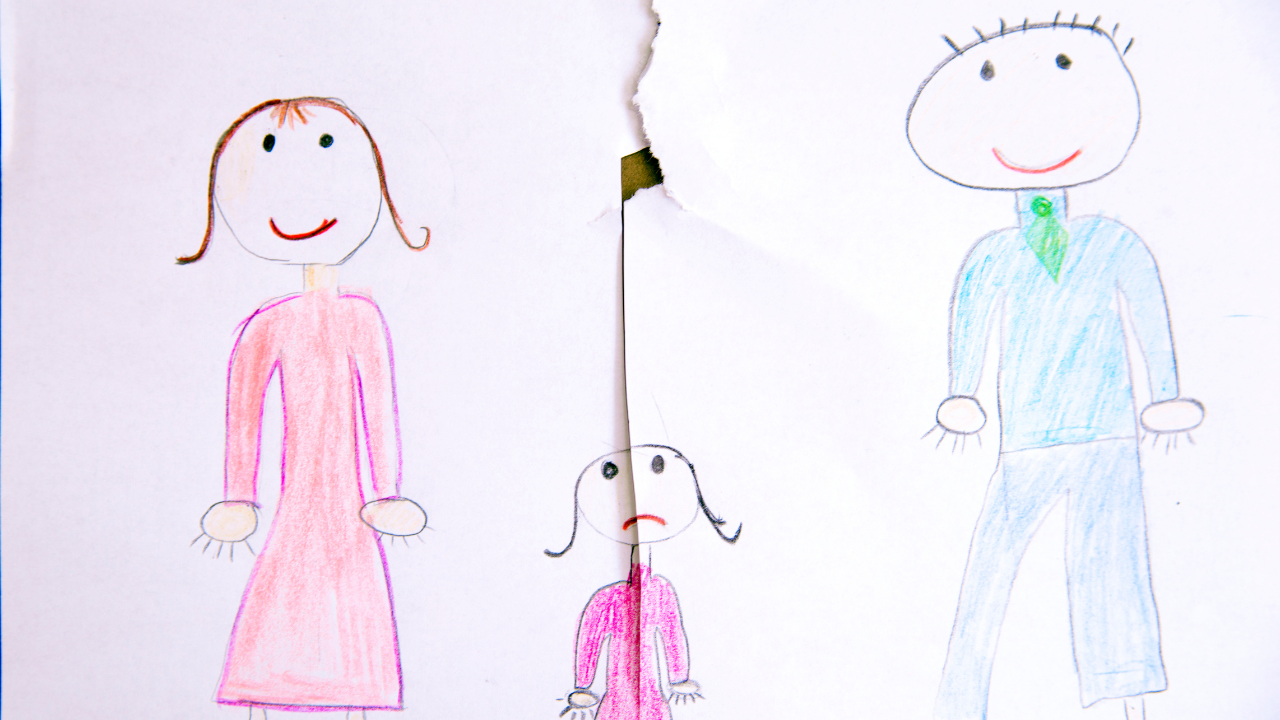
As children, we all learn from our parents how to navigate the world and how to understand ourselves. Our relationships with our parents shape us in fundamental ways, and as we grow up, we carry these experiences with us. This is what I mean when I say "mommy stuff and daddy stuff."
In this blog post, I'll explain what I mean by "mommy stuff and daddy stuff," why everyone has emotional baggage to work through, and how you can start the process of healing and moving forward.
What I Mean by “Mommy Stuff” and “Daddy Stuff”
When I say "mommy stuff and daddy stuff," I'm talking about the unresolved emotional baggage that we carry with us from our childhood, particularly related to our relationships with our parents. This can include anything from feelings of guilt, shame, and insecurity to patterns of behavior that we learned from our parents.
We All Carry Something
You might think that if you had a great childhood, you don't have any issues to work through. But the truth is, everyone has "mommy stuff and daddy stuff." No matter how good or bad your childhood was, there are bound to be unresolved emotions and patterns of behavior that you learned from your parents or primary caregivers.
You might think that if you had a great childhood, you don't have any issues to work through. But the truth is, everyone has 'mommy stuff and daddy stuff.’
For example, you might have learned to put other people's needs before your own, or to avoid conflict at all costs. These patterns can hold you back in your relationships, in your career, and in your overall well-being.
It's important to remember that working through our "mommy stuff and daddy stuff" is not about blaming our parents or placing blame on them. It's about taking responsibility for our own emotional well-being and healing.
Understanding Where These Patterns Come From
The first step is becoming more aware of the patterns and emotional responses you carry. You might notice patterns in your behavior that are holding you back, or feelings that you can't quite explain. Pay attention to the reactions, beliefs, or relational habits that keep showing up, and start to explore where they come from.
For example, if you struggle with feelings of guilt, ask yourself where those feelings come from. Did your parents expect a lot from you growing up? Did they praise you only when you achieved something great, rather than just for being you? Once you understand where these patterns and emotions come from, you can start to heal and let go of them.

Another example might be if you have a tendency to avoid conflict. Ask yourself if your parents argued a lot when you were growing up, or if they shut down when faced with difficult conversations. Understanding the source of your avoidance can help you start to change this pattern and communicate more effectively in your relationships.
Healing the Patterns We Learned
Most of us are carrying patterns, fears, beliefs, coping mechanisms, and ways of relating that began long before we were old enough to fully understand them.
And becoming aware of those patterns isn’t about blaming our parents or staying stuck in the past. It’s about understanding ourselves more honestly and compassionately so that we can begin making more conscious choices in the present.
The key is to be gentle with yourself and take it one step at a time. Healing emotional wounds can be a long process, but it's worth it in the end.
Healing emotional wounds can be a long process, but it's worth it in the end.
Over time, we may begin noticing that we no longer react quite as automatically in certain situations. We may start recognizing old fears, habits, or emotional responses before they completely take over. We may communicate differently, set healthier boundaries, choose different relationships, or respond to ourselves with a little more understanding than we once could. Not perfectly... but more consciously.
In many ways, that’s what healing often looks like — not becoming someone entirely different, but slowly loosening the grip of old patterns so we have more freedom to live, connect, and choose differently than we may have learned growing up.
That process of exploring our inner world, understanding where our patterns come from, and learning how to move through life and relationships with more awareness and intention is deeply woven into the work I invite you to do inside Happy from the Inside Out® and in my one-on-one work — if this is something you feel called to explore more deeply.