Is Positivity The Solution To Your Negative Thinking?
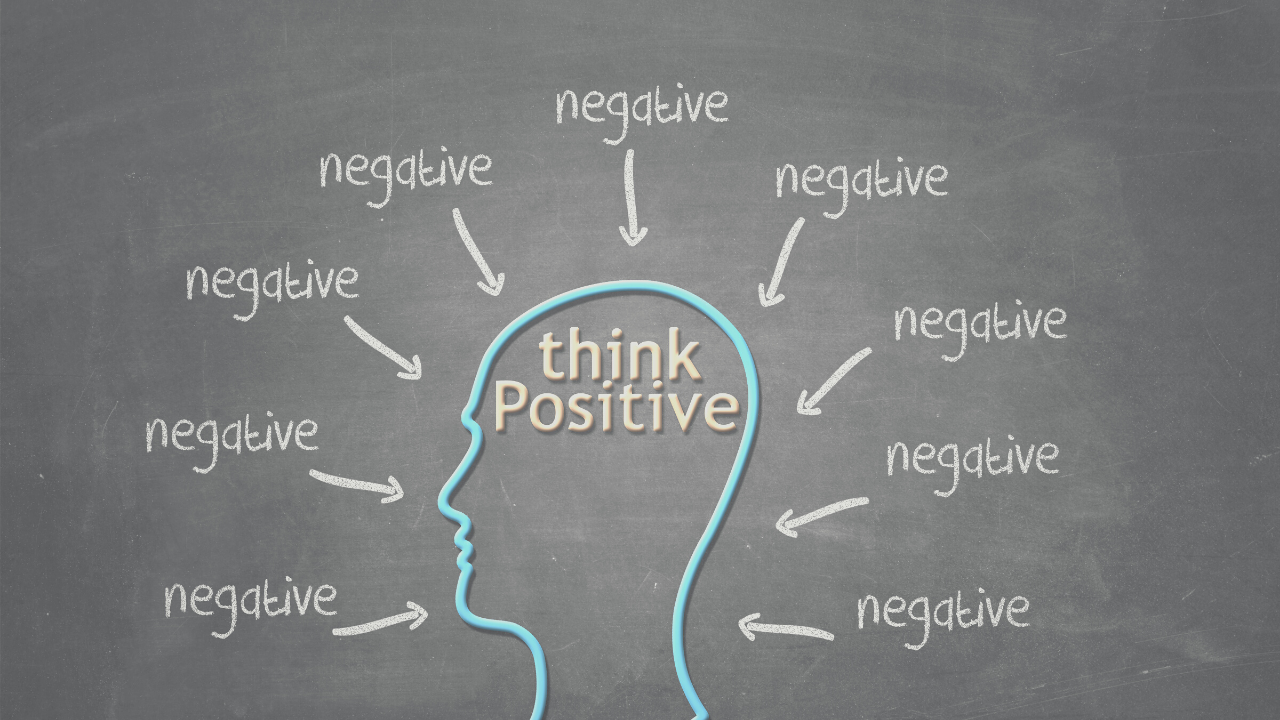
What are the first words that come up for you when you consider negative thinking?
Inconvenience? Burden? Bother? Nuisance? Stupid? Something along those lines?
If you’re like most people, you probably wish that your negative thoughts didn’t exist. If you’re like most people, you blame your negative thoughts for the less-than-happy moments or days of your life.
And you’re right.
If you’re like many people, negative thoughts can feel exhausting, consuming, discouraging, or painful — especially when they become repetitive, self-critical, hopeless, full of fear, or difficult to step out of.
Typical Advice on How to “Fix” Negative Thinking
Unsurprisingly, there is lots (and I mean lots!) of advice out there on how to “fix” or get rid of negative thinking.
And most commonly, it goes something like this:
Visualize positive situations instead.
Recite positive affirmations instead.
Find an alternative, more positive way of looking at things.
When the negative thought comes up, say “not true”.
Ask yourself, “Is this thought helping me or hurting me?”
Just be more positive.
Stop focusing on the negative.
Don’t believe your thoughts.
Although well-intentioned, all this advice aims to do is to help you curb negative thinking in the moment. Does it work in the moment? Maybe. Sometimes, yes. Sometimes, no. Sometimes, it makes things feel far far worse because it ignores and invalidates important aspects of you.
The biggest problem with this advice, though, is that all it aims to do is put a bandage of positivity over your negative thoughts. It often doesn’t help us understand what may actually be happening underneath those thoughts or develop a more compassionate and sustainable relationship with our inner world over time. And if this type of advice were enough to transform your inner world of thinking from negative to positive, you’d be there already and I probably wouldn’t need to write this article, right?
If I can liken many attempts to deal with negative thinking to an experience much of the world was having at the time this article was originally written (i.e., the coronavirus pandemic), it would be this:
A lot of the advice out there encourages us to “socially distance” ourselves from our negative thoughts — to push them away, override them, avoid them, or cover them over with positivity — without necessarily helping us understand what may be happening underneath those thoughts in the first place.
A lot of the advice out there encourages us to “socially distance” ourselves from our negative thoughts — to push them away, override them, avoid them, or cover them over with positivity — without necessarily helping us understand what may be happening underneath those thoughts in the first place.
Is Positivity the Solution to Your Negative Thinking?
So, is positivity the solution to your negative thinking? Not usually — at least not when positivity is being used to override, suppress, dismiss, avoid, or disconnect from what we genuinely feel. This doesn’t mean positive thinking is inherently bad or that hope, optimism, gratitude, encouragement, or perspective shifts can’t be supportive. Sometimes they absolutely can. But when positivity becomes a way of abandoning ourselves emotionally or trying to force ourselves out of pain before we’ve actually understood it, it often creates more disconnection rather than healing.
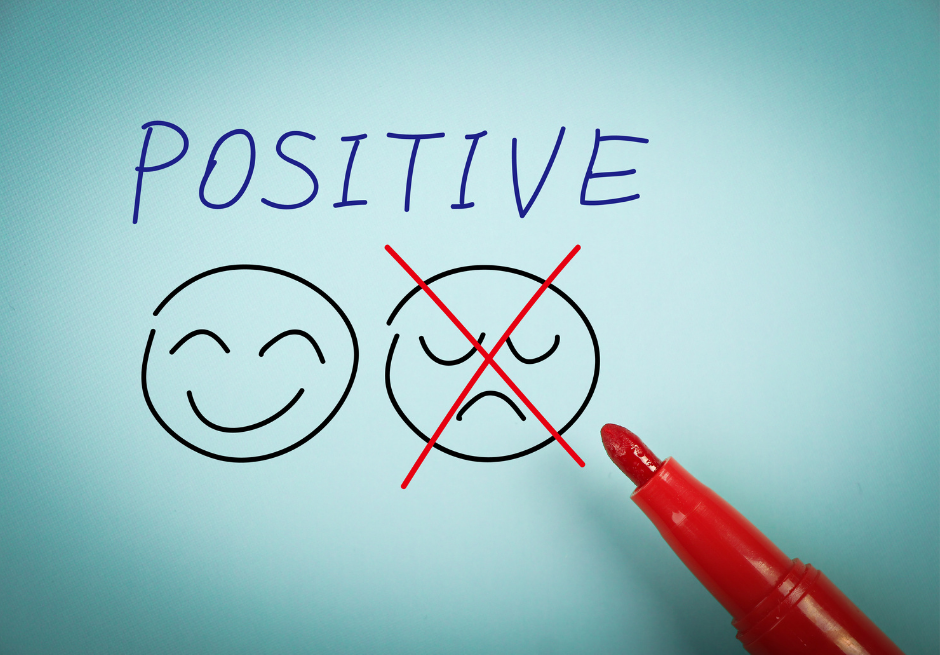
A Different Way of Responding to Our Negative Thoughts
What often helps more than trying to force ourselves into positivity is developing a different relationship with our thoughts altogether.
Sometimes negative thoughts are connected to fear, shame, unresolved emotional pain, self-criticism, overwhelm, insecurity, stress, nervous system activation, or protective patterns that developed long ago. And while not every thought is true or helpful, trying to aggressively silence, suppress, override, or argue with ourselves often creates even more inner conflict.
Many people find that healing begins not when they finally become “positive enough,” but when they begin responding to themselves with more awareness, honesty, curiosity, self-compassion, emotional support, and understanding.
Much of the work inside my course Happy from the Inside Out® is about exactly this — learning how to relate differently to difficult thoughts, emotions, self-criticism, and inner patterns, not by trying to force ourselves into constant positivity, but by developing more awareness, self-understanding, compassion, and connection to what’s actually happening beneath the surface.