What if happiness isn't about feeling good all the time?
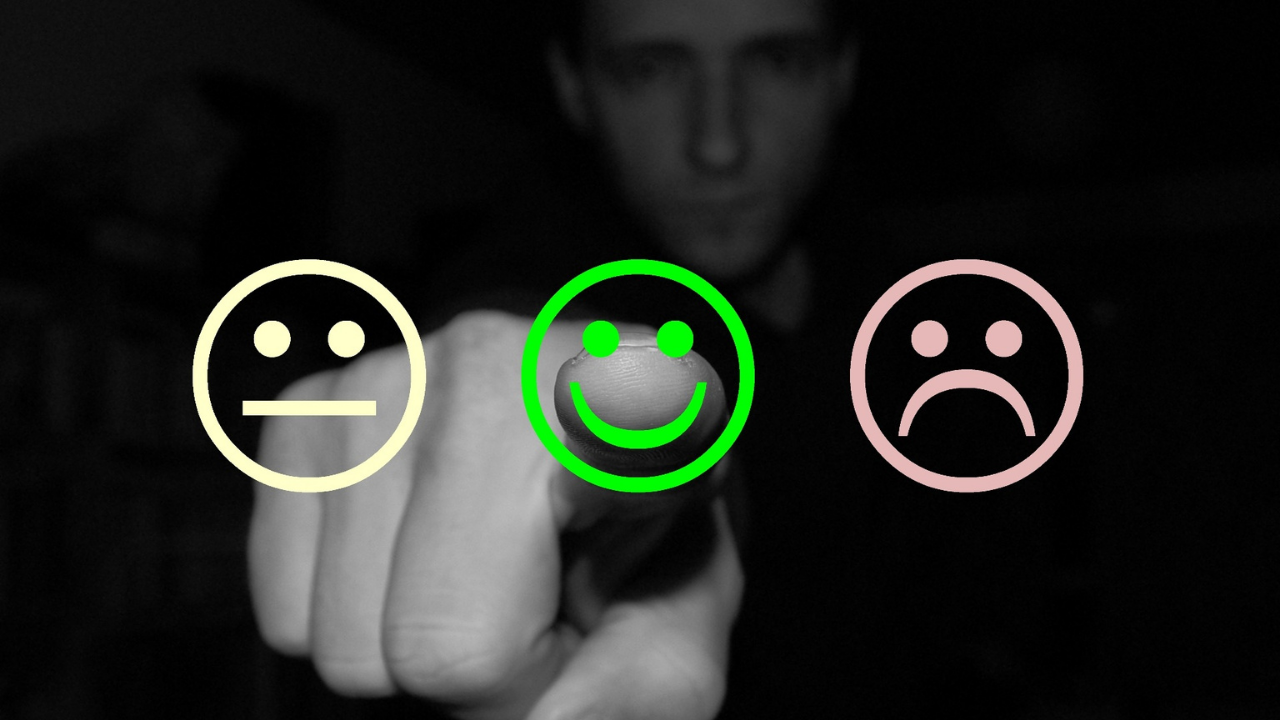
Since the very beginning of life, most of us are taught that the key to a good life is to feel good as often as we possibly can. We're praised for being happy little kids and usually reprimanded or told we need to be different if we appear to be angry little kids or kids who cry too much sometimes, and over time, this can quietly shape the way we relate to our emotions — often making it harder to know what to do when difficult feelings inevitably arise.
Let me explain.
What happens when we think that happiness is about feeling good?
When we think that happiness is all about feeling good, we pressure ourselves to feel good and when we inevitably don't feel good, we start to feel bad. We look around and see other people feeling good, and this discrepancy between how we should feel (based on how happy we’re told we should be and how happy we think other people are around us) and how we actually feel makes us less happy.
So, the idea that happiness is a function of only feeling good is problematic because it actually creates added discontent. In essence, you might not be feeling that great and you end up feeling even worse because of the added pressure you put on yourself— and that others put on you— to feel good.
But that’s not all…
When we think that the key to a good life is only feeling good, it prevents us from doing the very things that we need to do in order to feel good. Which is to feel. Period. Feel whatever it is that our life is beckoning us to feel in any given moment.
What happens when we think that happiness is about feeling?
When we think that happiness is about feeling everything that shows up in our awareness, we start to welcome all of our emotions — even the uncomfortable, painful, messy, or confusing ones. And when we welcome rather than reject those feelings because we're no longer afraid that they’re not how we should be or should feel, they often begin moving, softening, and shifting more naturally than when we resist, suppress, shame, or fight against them. We become able to process thoughts, feelings, and events right as they happen, and we don’t exacerbate the times we don’t feel great by pressuring ourselves to feel differently than we do. We're left naturally feeling content, without needing to exert any effort at all and without needlessly 'shoulding on' and pressuring ourselves to feel good. Because as it turns out, true happiness isn’t necessarily about feeling good, it’s about feeling or in other words about staying present, connected, and honest with ourselves through the full range of human emotion.
True happiness isn’t necessarily about feeling good, it’s about feeling.

It can feel counterintuitive at first, especially because many of us grew up learning — directly or indirectly — that difficult emotions were problems to fix, avoid, suppress, or move past as quickly as possible. “If I want to feel good, why would I just let myself feel bad?” But over time, many people begin realizing that fighting against painful emotions often creates even more pain than the emotions themselves.
That’s why much of the process I share inside Happy from the Inside Out® is about building a more compassionate and connected relationship with our inner world — including the emotions we’ve often learned to fear, suppress, judge, or avoid.
Because oftentimes, real happiness and healing begin not by finally feeling good all the time, but by learning how to stay connected to ourselves even when we don’t.
Note: This article was originally written several years ago and has been lightly updated to reflect my current work and offerings.