When did you start coping and stop living?
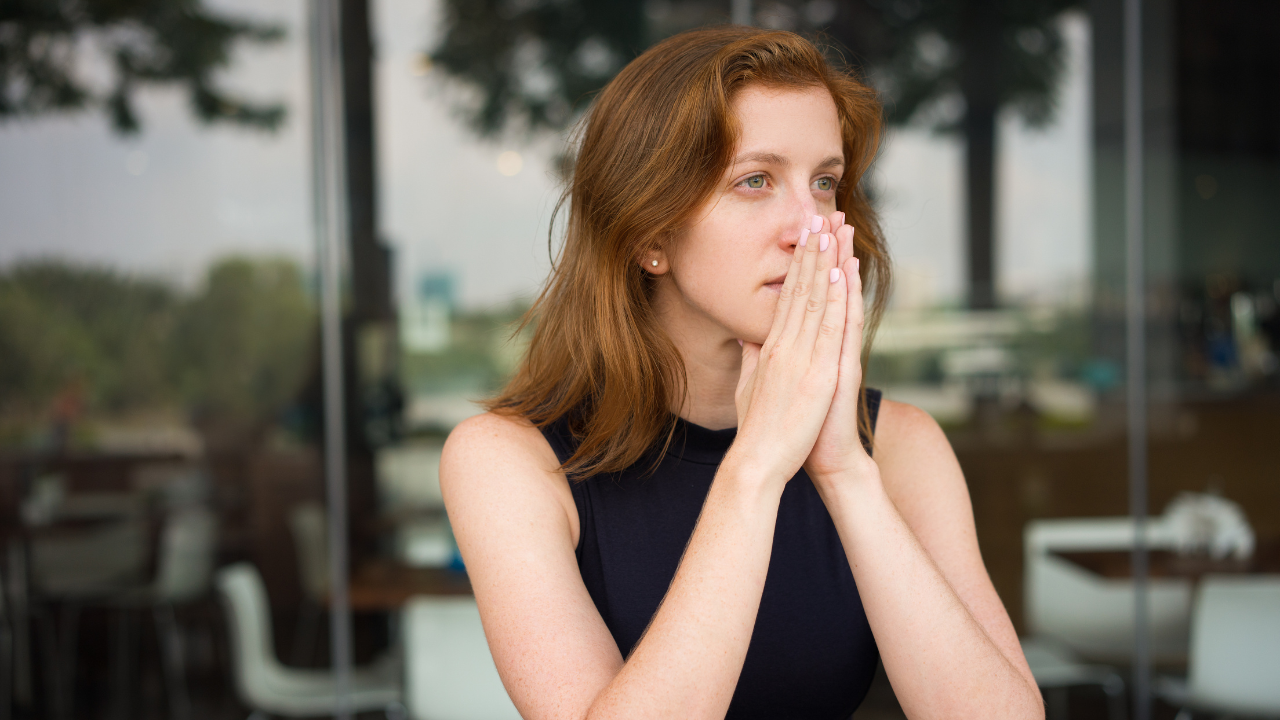
Serious question here. When did you start coping and stop living?
We go through some pretty painful things growing up in the world today.
Many of us grow up around insecure and immature people who project their worries and expectations onto us.
Many of us have had family members and partners who don’t know how to truly love us with their actions.
Some of us have been criticized, judged, or made fun of at home or in school, making it impossible to believe in and be ourselves.
We need to manage these things somehow, right, so we start coping and we stop living.
You might not go after your goals and dreams because you don’t feel good enough, and completely lose the chance of ever achieving them.
You might put walls up to protect your heart from being hurt again, all the while preventing yourself from experiencing love.
You might be afraid that you’ll be abandoned so you become who you think your romantic partner wants you to be instead of who you really are.
You might stop depending on other people and stop asking for the support you need because you’re afraid of being let down again.
You might keep to yourself a lot for fear of being judged or excluded and miss out on opportunities to build long-lasting friendships.
You might start drinking or smoking weed to make the pain go away and miss out on becoming who you’re really meant to be.
So many of us end up doing some version of this. And over time, these protective ways of coping can slowly start shaping our entire lives. They can keep us disconnected from ourselves, from other people, from our desires, from vulnerability, from possibility, and from the parts of life that actually make us feel most alive.
So where do we even begin when the very things that once helped us survive are now keeping us from fully living?
One place to begin is simply getting curious.
Identify something you do that you know isn’t giving you the results you truly want in your relationships, work, or inner life. Then gently ask yourself:
“What am I afraid would happen if I didn’t do this?”
Sometimes the answer reveals that the behavior isn’t random at all. It’s protective. It developed for a reason. At some point, it likely helped you feel safer, more connected, more accepted, more in control, or less overwhelmed.
And often, real change doesn’t happen by forcefully taking the coping strategy away. It happens by understanding and tending to the experiences beneath it — the fears, beliefs, wounds, and nervous system patterns that made it feel necessary in the first place.
Much of the work we explore in my course Happy from the Inside Out® centers around this very thing: understanding your inner world with more compassion so that you can begin living from a deeper, more grounded place rather than constantly operating from survival or self-protection.
And if you appreciate conversations that go deeper than the surface, my Heart Share Circles are spaces where we explore these kinds of human experiences together.
Thank you for being here and reflecting on this with me.